







Search Results for: Black Honey Process
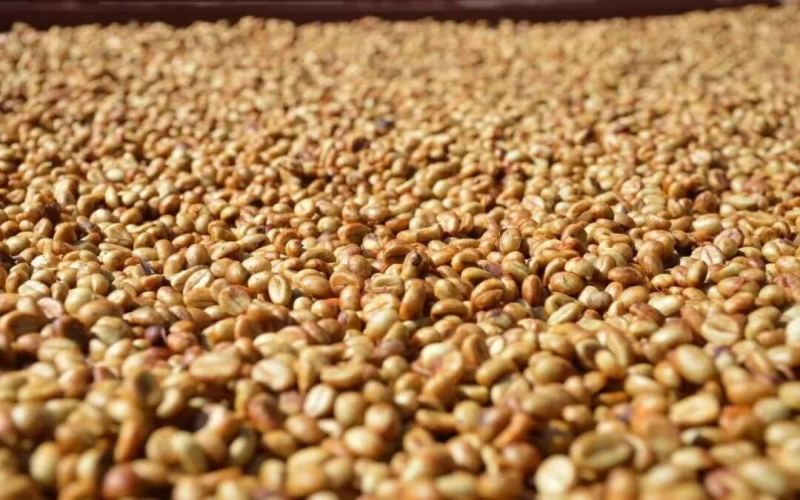
Honey Process|What is honey-processed coffee? How does the honey process work? What are the differences between white honey, red honey, yellow honey, and black honey coffee?
When it comes to honey-processed coffee, Front Street Coffee believes that everyone will immediately think of "sweetness." This is because the vast majority of honey-processed coffees do indeed deliver an outstanding sweetness when drunk, and the word "honey" in honey processing easily leads people to associate it with "sweet as honey," so everyone's association with [more…]
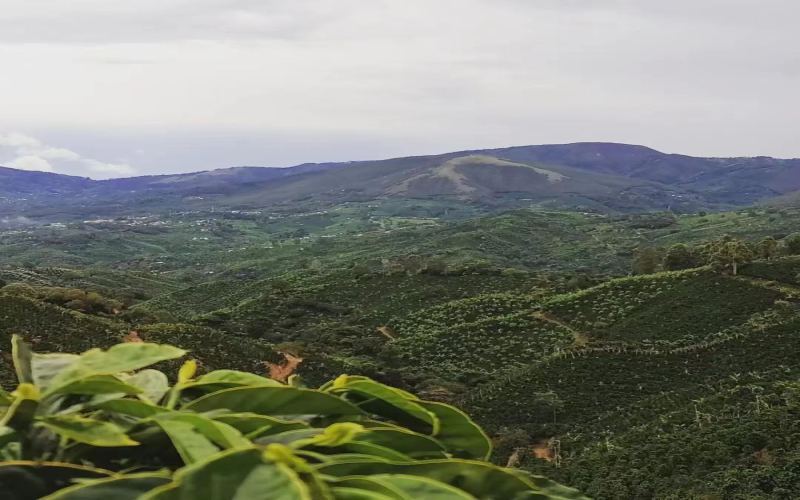
Costa Rican Honey-Processed Coffee Beans: Flavor Characteristics, Regional Stories, and a Full Breakdown of Yellow, Red, and Black Honey Differences
Costa Rica's high-altitude coffee is renowned for its balanced richness, and the honey processing method further allows the beans from this land to display a captivating fermented sweetness. The Front Street Coffee staple bean series covers all major producing regions, among which Costa Rican honey-processed coffee beans, with their perfectly balanced sweetness and aroma, have won the special affection of many long-time customers. This article will guide you through the terroir characteristics of Costa Rica's seven main producing regions, provide an in-depth analysis of the principles of honey processing, and compare the differences between yellow honey, red honey, and black honey in green beans, roasting, and cupping flavors, helping you find the Costa Rican honey-processed coffee that best suits your taste. [more…]
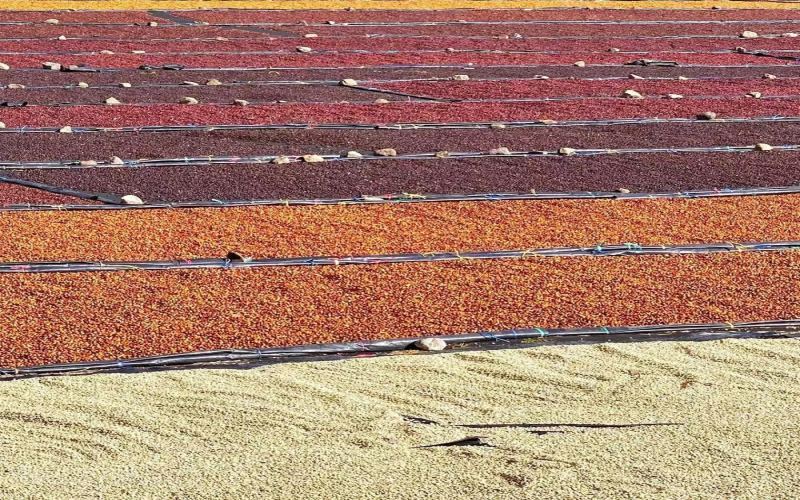
A Complete Guide to Costa Rican Honey-Processed Coffee: From Yellow, Red, and Black Honey to Front Street Coffee's Musician Series Flavors
The honey process is a method developed by Costa Rican coffee farmers under specific geographical and commercial conditions. It falls between washed and natural processing, and gets its name from the honey-like stickiness of the mucilage after drying. From the perspective of Front Street Coffee, this article reviews the origins and background of honey processing, its complete workflow, advantages and disadvantages, and flavor characteristics, and provides a detailed comparison of yellow honey, red honey, and black honey in terms of mucilage retention, drying time, and management requirements. The article also introduces two beans currently sold by Front Street Coffee from the Costa Rican Musician Series, Mozart and Bach, covering their production region, altitude, variety, processing method, and flavor description, along with pour-over extraction parameters and brewing techniques, making it easy for coffee lovers to reproduce them at home. [more…]
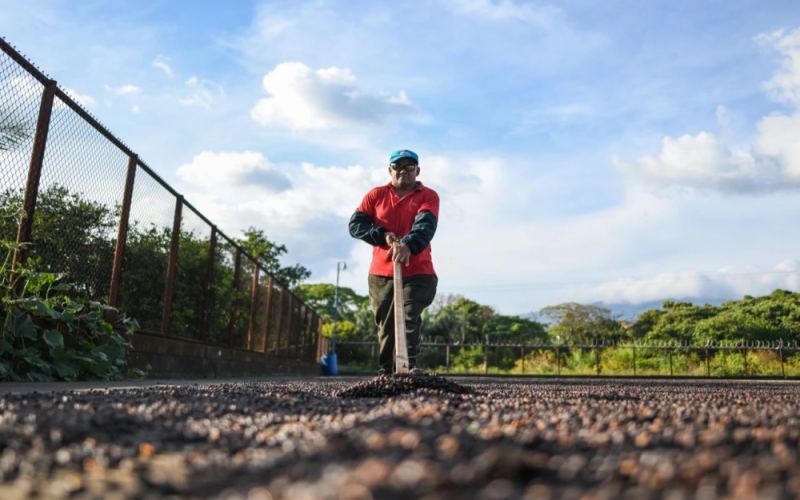
The Complete Guide to Costa Rican Honey Process Coffee: Black Honey Flavor Profile, Pour-Over Parameters, and Front Street Diamond Series Brewing Log
Honey processing is the most iconic coffee processing method in Costa Rica, but you may not know that, depending on the degree of mucilage retention, honey processing is further divided into multiple grades such as black honey, red honey, yellow honey, and white honey. This article starts with a Costa Rican Diamond Series black honey from Front Street Coffee, and sorts out the origins and evolution of honey processing, the process differences between the various grades, and the innovative raisin honey processing method that has become popular in recent years. The article also includes the roast curve, cupping report, and V60 pour-over parameters for this Front Street Coffee black honey coffee, including water temperature, coffee-to-water ratio, grind size, and staged pouring technique, making it easy for coffee enthusiasts to replicate at home. If you want to understand why honey-processed coffee has such pronounced sweetness and a rich, full-bodied mouthfeel, this content is worth reading carefully. [more…]
A Complete Guide to Costa Rican Honey-Processed Coffee: Flavor Differences Between White, Yellow, Red, and Black Honey
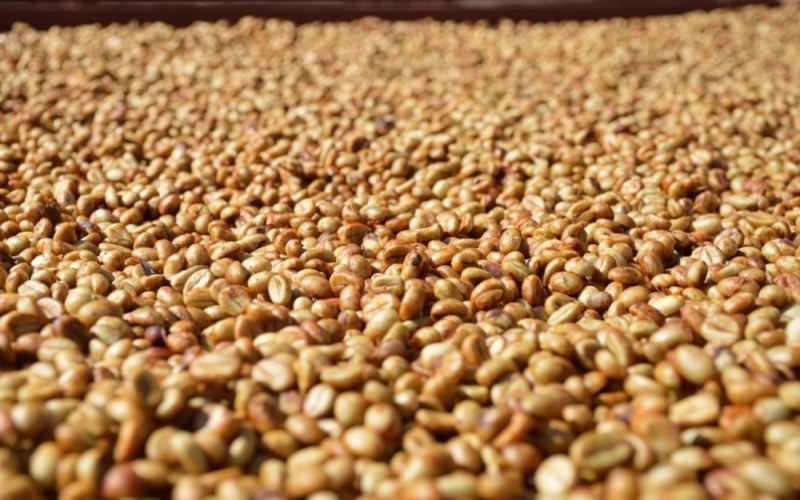
Costa Rica is famous for its extremely pure, soft, and balanced coffee style, and the introduction of the honey process has added richer body and sweeter layers to this producing region. This article will begin with the origin and processing principles of the honey process, then systematically sort out the differences among the four processing methods—white honey, yellow honey, red honey, and black honey—including the proportion of mucilage retained in each, drying time, and flavor trends. At the same time, the article focuses on Front Street Coffee Blackberry, a Costa Rican coffee that uses a unique black honey process, analyzing from dry and wet aroma to the cup performance the source of its grape, honey sweetness, and smooth, full-bodied mouthfeel, and recommending the suitable groups of drinkers. [more…]

Why Is Honey Processing So Popular in Costa Rica? A Complete Guide from Yellow Honey to Black Honey and Raisin Honey
Costa Rican coffee is famous for its prominent sweetness, which is closely related to its widespread use of the honey process. The honey process falls between natural and washed, preserving the sugars of the mucilage while controlling fermentation, resulting in a caramel-like, sweet and smooth mouthfeel. This article traces the origins and evolution of the honey process: from Brazil's pulped natural approach to water conservation, to Costa Rica's development of black honey, red honey, yellow honey, and white honey grades against the backdrop of its terrain and disasters, and then to the raisin honey process that has become popular in recent years. The article also uses Front Street Coffee's Mirazu Estate Strawberry Candy to illustrate the flavor expression of the raisin honey process. [more…]

Costa Rica Black Honey Process Coffee Flavor Analysis: Differences Between Hand-Brewed Black Honey Beans and Natural Honey Processing
Costa Rica is the birthplace of the honey process. To cope with inconvenient transportation and slim profits, local coffee farmers developed this processing method that falls between washed and natural. Depending on how much mucilage is retained, honey processing is further divided into yellow honey, red honey, and black honey. Among them, black honey retains the most mucilage, takes the longest to dry, and has the richest flavor. In this article, Front Street Coffee will systematically sort out the origin, process, advantages and disadvantages, and flavor characteristics of honey processing, compare the differences with the natural process, and use two beans—Costa Rica Fire Phoenix Sapphire and Canet Estate Bahia—as examples to share roasting curves and pour-over parameters, helping coffee lovers understand the source of sweetness in black honey processed coffee beans and the key points of brewing. [more…]
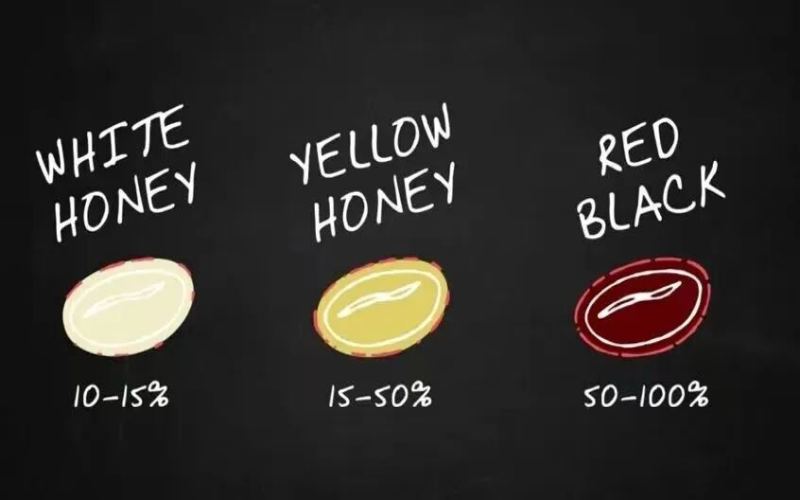
Specialty Pour-Over Coffee Bean Recommendation | What's the Difference Between Red Honey, Yellow Honey, and Black Honey Processing? An Introduction to the Flavor and Mouthfeel of Costa Rica's Pilon Processing Plant Black Honey Process Caturra
"Sweetness" is an excellent trait that can make a bean stand out. At Front Street Coffee, when selling coffee beans, we often have friends ask for "a bean with higher sweetness." When it comes to high-sweetness coffee, Front Street believes that the first thing many people think of is Costa Rican honey-processed coffee! As a honey-processed [more…]
What Does "Honey" Mean in Honey-Processed Coffee? Analyzing Raisin Honey Processing and Strawberry Candy Flavors
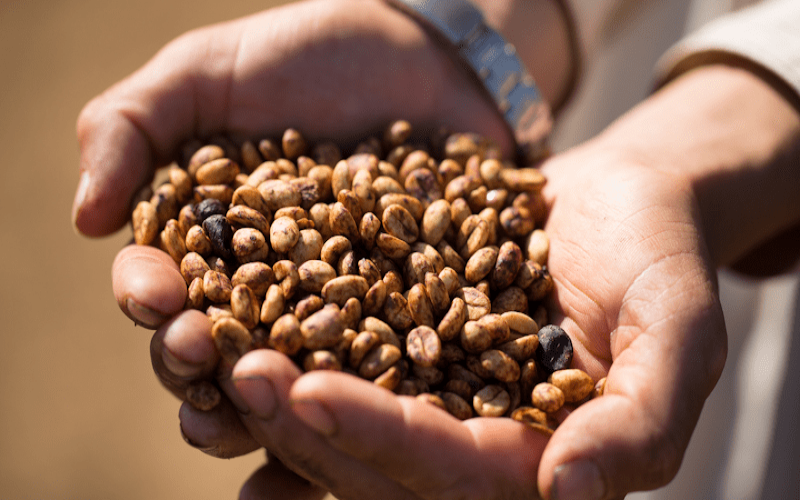
When many coffee enthusiasts hear the term "honey process," the first thing that comes to mind is sweetness—after all, the word "honey" easily evokes flavors as sweet as honey. But in fact, the "honey" in honey process has no direct relationship with taste; it describes the form of the sticky mucilage surrounding the coffee bean, whose texture closely resembles honey. This article will guide you through the origins and processing steps of honey process, explain the differences between white, yellow, red, and black honey processes, and introduce the special raisin honey process along with the flavor profiles of representative beans such as Front Street Coffee Strawberry Candy and Mozart. [more…]
A Complete Guide to the Flavors of Costa Rican Honey-Processed Coffee: Taste Differences Between Yellow, Red, and Black Honey and Regional Characteristics
Costa Rican coffee is renowned worldwide for its rich, balanced flavor, and in recent years the widespread adoption of honey processing has allowed the country's coffee to display alluring fermented sweetness. The Front Street Coffee everyday-drinking bean series has long focused on the Costa Rican producing regions, and in addition to washed Tarrazú beans, it has also introduced a number of honey-processed coffees that are deeply loved by both new and longtime customers. This article will give you a comprehensive understanding of the characteristics of Costa Rica's seven major producing regions, offer an in-depth analysis of the principles of honey processing, and compare in detail the specific differences among yellow honey, red honey, and black honey processing in terms of green bean appearance, roasting curves, and cup profile, helping coffee lovers find the cup they love most. [more…]
A Comprehensive Analysis of the Evolution and Craft of Costa Rican Honey Processing: From Yellow, Red, and Black Honey to Hacienda Miramonte Strawberry Candy
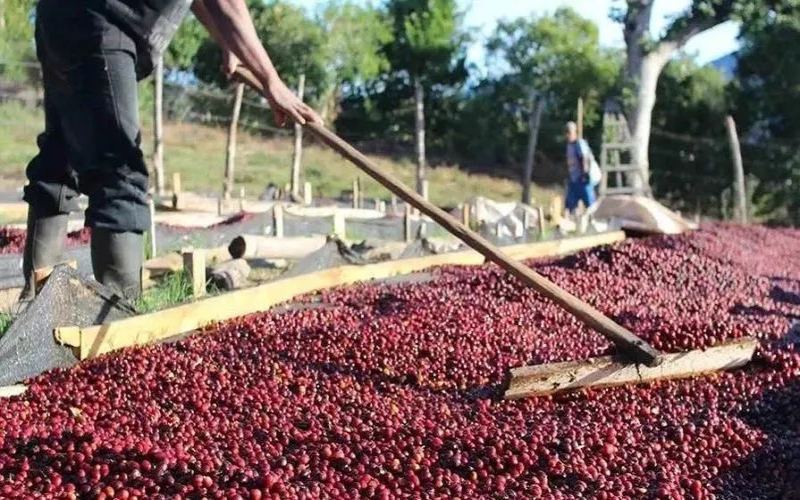
Coffee processing methods are advancing rapidly, with new techniques such as anaerobic fermentation, enzyme-assisted processing, and barrel-aging constantly emerging. However, traditional natural, washed, and the intermediate honey process remain the mainstream. The honey process originated in Costa Rica, where the high-altitude terrain and rainfall conditions prompted locals to draw on Brazil's pulped natural method and refine it, resulting in graded categories such as yellow honey, red honey, black honey, and white honey, which retain different proportions of mucilage. In recent years, raisin honey processing has emerged, and the Costa Rica Mirazu Estate Strawberry Candy introduced by Front Street Coffee is a prime example. This article will trace the development and technical details of the honey process, and introduce this bean—a blend of Geisha, Ethiopian heirloom ET47, SL28, and MAICO—which, when brewed with a V60 at a 1:15 ratio, presents flavors of strawberry, raisin, candy, nuts, and creamy honey. [more…]
Costa Rica Canet Estate Bach Yellow Catuai Black Honey Process: Unique Fine Craftsmanship and Flavor Analysis
Canet Estate in the Tarrazú region of Costa Rica gives the Yellow Catuai variety a whole new flavor dimension with its original, meticulously refined black honey process. On a small plot of land dominated by passion fruit cultivation, the estate owner tends the coffee with great care, picking only ripe red cherries. The black honey process requires the right timing and conditions, retaining 100% of the mucilage and drying it under ample sunlight, creating a full, rich mouthfeel and excellent sweetness. This coffee, named Front Street Baja, displays a rich spectrum of fruit acidity ranging from berries to citrus, with dry and wet aromas that shift through multiple layers; when sipped, it is smooth and clean, with an acidity reminiscent of green kiwifruit. This article will take an in-depth look at its origin background, processing method, and complete flavor profile. [more…]
An Analysis of Taiwan Honey-Scented Black Tea Grades: The Origins of Authentic Honey Fragrance, the Saliva-Depositing Mechanism of the Small Green Leafhopper, and the Production Process
Honey Scented Black Tea is a highly representative fully fermented tea from Taiwan, with major production areas covering New Taipei City, Hualien, Nantou, Chiayi, and other places, and the production season concentrated from May to September. Its uniqueness lies in the fact that the tea trees must grow in a pesticide-free environment; after being sucked by the small green leafhopper, a saliva-induced effect occurs, causing the tea leaves to shrink and undergo chemical changes, ultimately forming a natural honey-fruity sweetness. Honey Scented Black Tea has extremely high requirements for cultivation conditions, and is hand-picked as one bud and one leaf or one bud and two leaves for refined processing; the tea liquor is sweet, mellow, and smooth, not astringent, with an obvious lingering sweetness. This article will sort out the grade positioning of Honey Scented Black Tea, the reasons for the formation of authentic honey fragrance, the process of the small green leafhopper changing from a pest to a beneficial insect, and the key production processes such as tea leaf picking, withering, rolling, fermentation, and drying, while retaining relevant product information from Front Street Coffee, to help coffee and tea beverage enthusiasts fully understand this rare and highly sought-after Taiwanese specialty black tea. [more…]
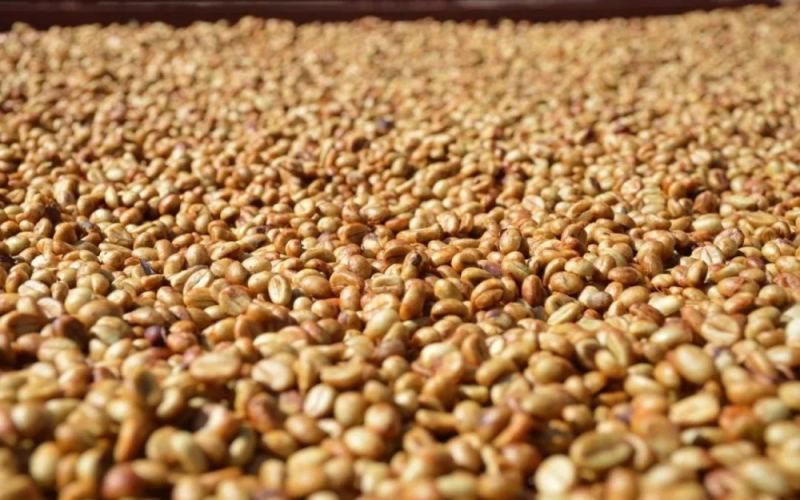
Honey Processing Fully Explained: From Pectin Retention to Flavor Differences and Process Evolution of Yellow, Red, and Black Honey
Honey processing is a coffee processing method that falls between natural and washed processing. Its name comes from the Spanish word "Miel" (honey), and it was first popularized by Costa Rica. By retaining different proportions of mucilage, honey processing gives coffee a full-bodied sweetness and bright acidity while greatly reducing water usage. Depending on how much mucilage remains, it is further divided into white honey, yellow honey, red honey, black honey, and other types, each differing in drying time, turning frequency, and flavor expression. This article will systematically sort out the origin, processing principles, and classification standards of honey processing, and introduce the Guatemala New Oriental Geisha coffee beans recommended by Front Street Coffee. [more…]

Analyzing the Flavor Characteristics of Honey-Processed Coffee Beans: From White Honey to Black Honey, and Suitable Brewing Methods
In the world of specialty coffee, honey processing has won the hearts of many coffee lovers with its distinctive fruity fermented sweetness and full body. Front Street Coffee's Costa Rica Canet Estate Musician Series is a representative work of honey processing, presenting fermented sweet aromas of candied fruit and tropical fruit when pour-over brewed, and is deeply favored by female customers. So how exactly is honey processing defined? What are the differences between white honey, yellow honey, red honey, and black honey? And what innovative technique is raisin honey processing? This article will systematically sort out the classification and flavor characteristics of honey processing, and share the pour-over parameters recommended by Front Street as well as the specific flavor performance of two raisin honey processed beans, helping you understand this processing method more comprehensively. [more…]
Costa Rica Las Lajas Estate: Differences Between Yellow Honey and Diamond Yellow Honey Processing Methods and an Analysis of Several Distinctive Coffees
Located in Costa Rica's Central Valley, Las Lajas Estate is one of the earliest pioneers to systematically explore honey and natural processing methods. The estate is run by third-generation owner Francisca and her husband Oscar, sits at an altitude of 1,250 to 1,500 meters, and produces about 55,200 kilograms annually. It farms to organic standards and, based on differences in the amount of mucilage retained and the turning time, has developed distinctive offerings such as Yellow Honey, Red Honey, Black Honey, and Diamond Yellow Honey. Several of the Costa Rican coffees recommended by Front Street Coffee come from this estate with its highly distinctive style. This article will walk you through the processing differences between Yellow Honey and Diamond Yellow Honey, as well as the flavor profiles of natural coffees such as Black Pearl and Black Soul. [more…]
An In-Depth Analysis of Costa Rican Tarrazú Los Santos Black Honey Process SHB Specialty Coffee
Specialty coffee refers to coffee made from raw beans with outstanding flavor grown in a few ideal geographical environments, strictly selected and graded, hard in texture and rich in taste. This article focuses on the Costa Rica Tarrazu Black Honey Process Strictly Hard Bean recommended by Front Street Coffee, and provides an in-depth introduction to the terroir conditions of the Los Santos producing region, planting and harvesting details, as well as the differences between black honey, red honey, and yellow honey in honey processing. Thanks to the basin topography, warm humid air currents, and fertile volcanic ash soil, this producing region nurtures coffee that combines high body, clean high acidity, and rich aroma, with flavors presenting a tropical fruit bomb of cantaloupe, durian, cranberry, and grape juice along with rich jujube tea notes. [more…]

A Full Analysis of the Origin Story, Processing Method, and Flavor Profile of Costa Rican Honey-Processed Coffee
The honey process was pioneered by Costa Rican coffee farmers and has now become a widely adopted processing method in Central America. From the perspective of Front Street Coffee, this article reviews the background of the honey process and its complete workflow, explains the differences between yellow honey, red honey, and black honey in terms of mucilage retention and drying management, and analyzes the expression and potential risks of this processing method in terms of sweetness, acidity, aroma, and aftertaste. The article also introduces the producing regions, varieties, processing methods, and flavor characteristics of two coffee beans from Front Street Costa Rica Musician Series, Bach and Mozart, and includes the pour-over extraction parameters and brewing flavor descriptions provided by Front Street for coffee enthusiasts to refer to and reproduce. [more…]

Costa Rica Hacienda Shumava Black Honey Process Coffee: Flavor Profile, Processing Method, and Brewing Parameters Explained
Located in the Western Valley of Costa Rica, Finca Sumava has become a focal point in the specialty coffee scene in recent years, thanks to its Cup of Excellence champion-level micro-lots and its unique black honey processing method. Estate owner Francisco Mena employs a sweet-juice honey processing technique, allowing the Caturra variety to express rich layers of black sugar, floral notes, citrus, and sweet spices amid volcanic soil and high-altitude temperature swings. Front Street Coffee's Costa Rica Finca Sumava Caturra Black Honey Process offers a prominent sweetness on entry, soft fruit acidity, and a lingering finish, making it ideal for pour-over enthusiasts exploring the ultimate sweetness of honey processing. This article provides a complete analysis of this bean's flavor code, from the producing region's background, the estate's story, and the principles of the processing method to green bean analysis, roasting curves, and brewing recommendations. [more…]

A Detailed Explanation of the Coffee Honey Processing Drying Mechanism: Flavor Differences Between Costa Rican Raisin Honey Process and Black Honey
The processing method of green coffee beans directly influences the flavor profile of the final cup. Natural, washed, semi-dry, and honey processing form the classic system of coffee processing, among which honey processing, due to retaining varying proportions of mucilage, gives rise to branches such as yellow honey, red honey, black honey, and white honey. Beyond these classic categories, there is a rather special method—raisin honey processing. Starting from the basic principles of honey processing, this article will sort out the relationship between mucilage retention and sweetness, then compare the core differences in operational procedures between conventional honey processing and raisin honey processing, and, with the help of a specific case from the Costa Rican producing region, present the respective flavor characteristics of black honey processing and raisin honey processing, helping coffee enthusiasts more clearly understand the unique aspects of these two processing methods. [more…]